AI engineering

23 articles in AI engineering

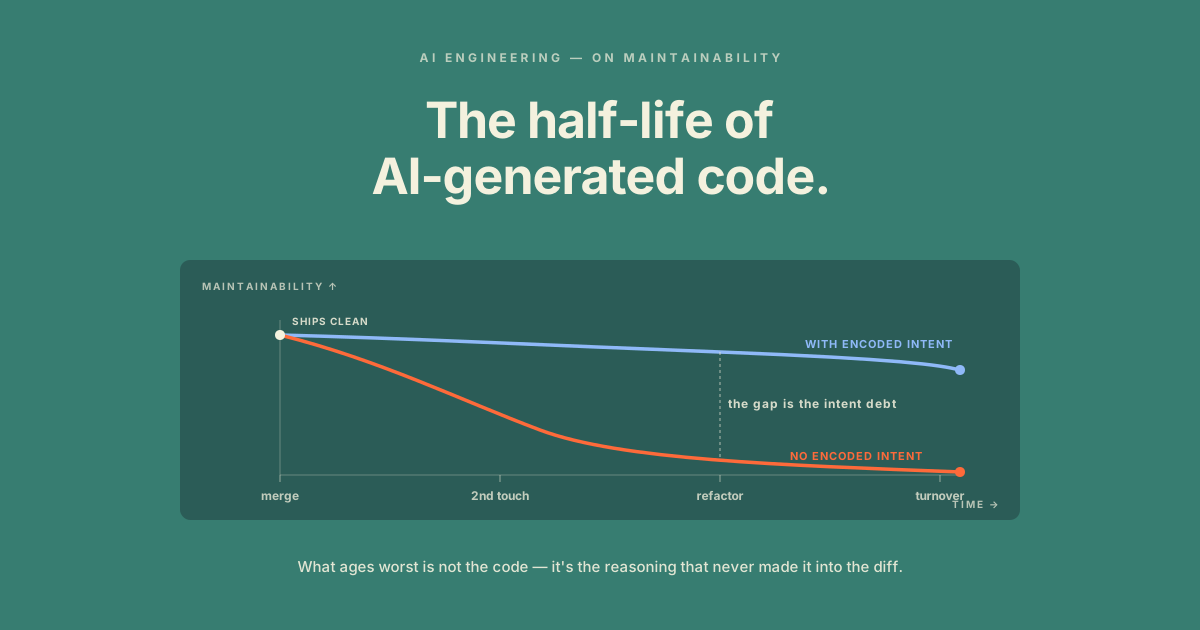
Cover for "The Half-Life of AI-Generated Code" — a Mineral Green canvas with a decay curve showing two trajectories from the moment of merge: an AI-written module with no encoded intent decays steeply, while an AI-written module with tests-as-spec, decision notes, and fitness functions stays flat

The Half-Life of AI-Generated Code

AI code passes review on day one and ages worst by month six — not because it's wrong, but because the design intent that makes it refactorable was never part of the diff. The fix is encoding intent in artifacts the next iteration must read.
By Harsh Parmar••15 min read
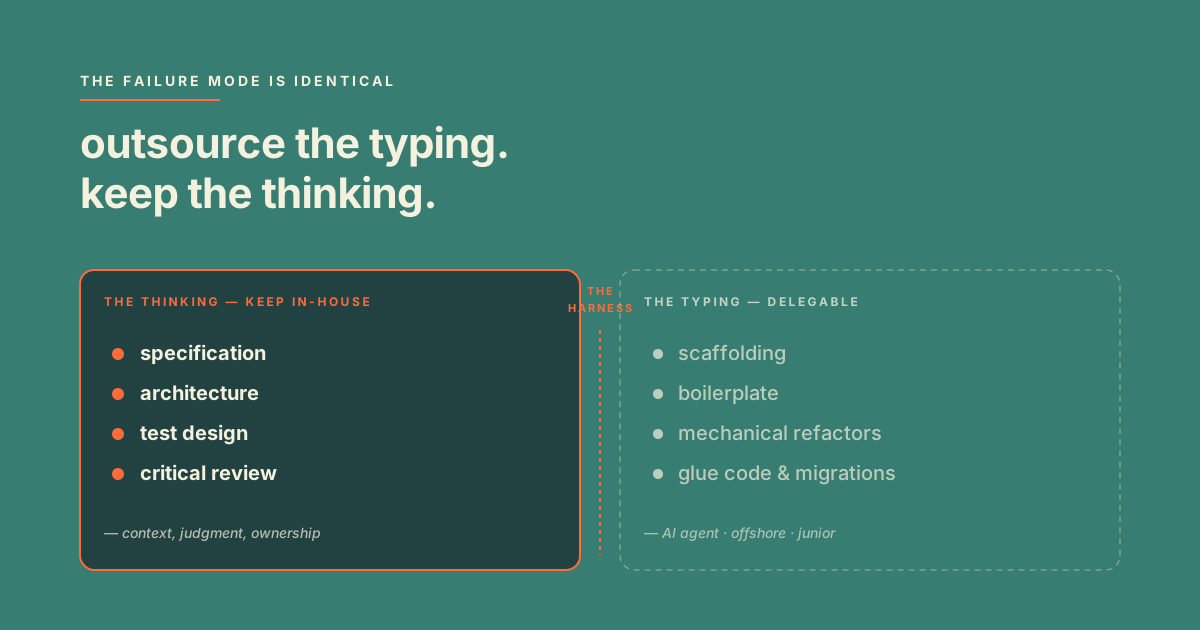
Two columns. Left column labelled "the thinking — keep in-house" lists specification, architecture, test design, critical review. Right column labelled "the typing — delegable" lists scaffolding, boilerplate, mechanical refactors, glue code & migrations. A thin coral line labelled "the harness" runs between them.

Don't Outsource the Thinking

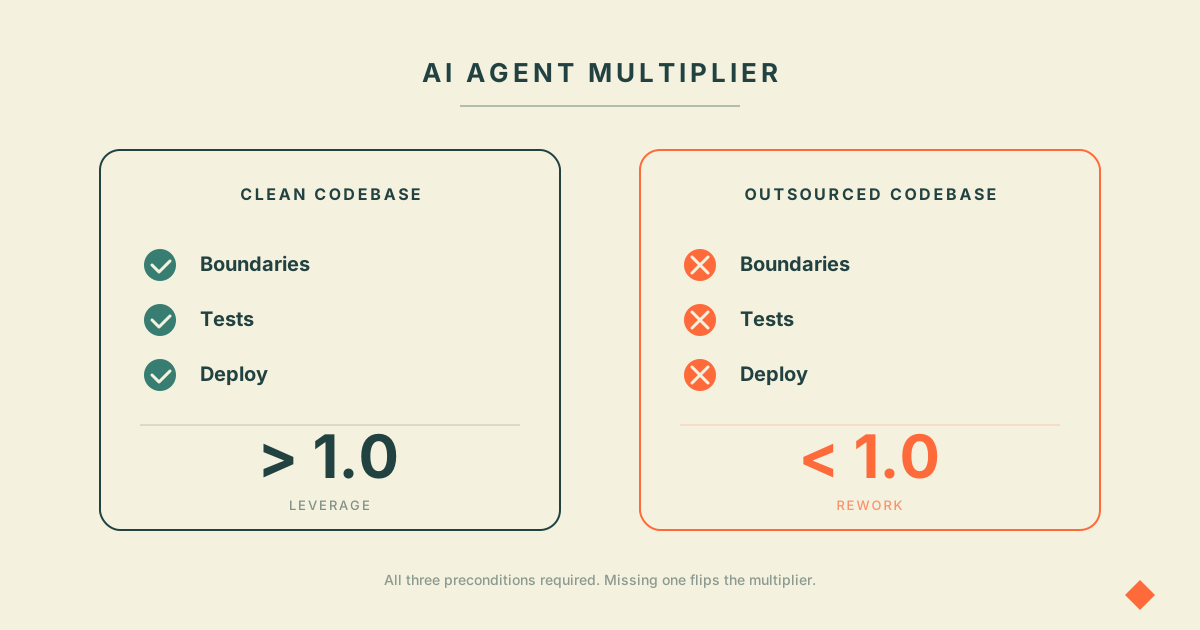
AI agents and offshore teams break in exactly the same way. They are execution accelerators, not thinking substitutes. The work that doesn't compress — specs, architecture, test design, critique — is the work you have to keep in-house. Outsource the typing. Keep the thinking.

By Harsh Parmar••11 min read
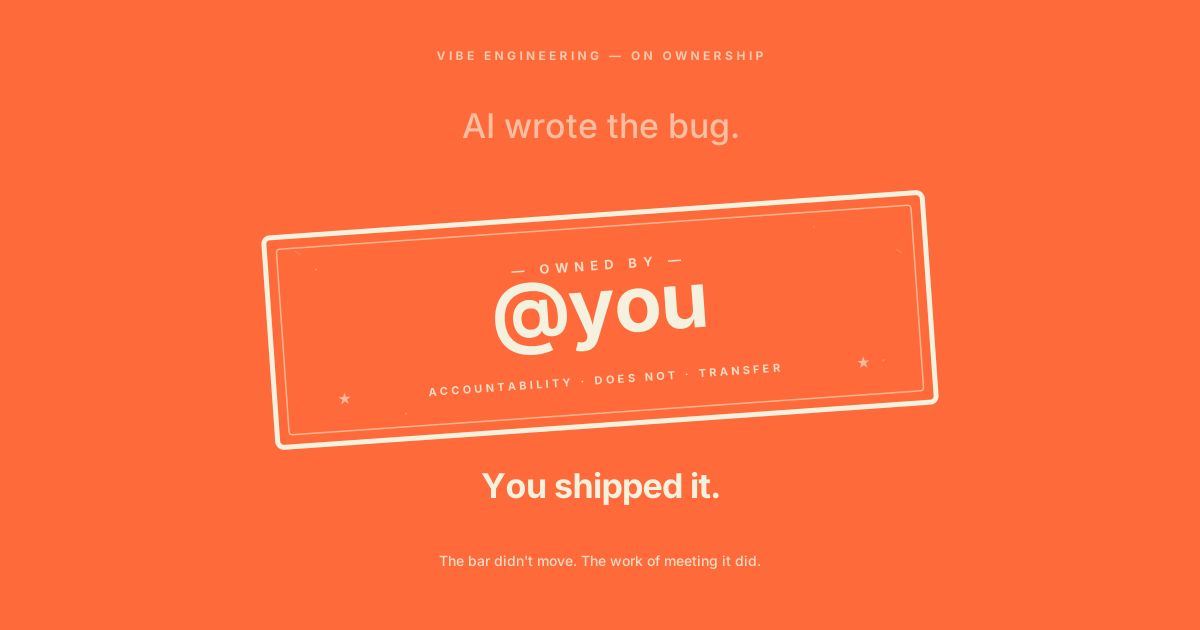
Cover for "AI Wrote the Bug. You Shipped It." — a tilted rubber-stamp graphic reading "OWNED BY @you · ACCOUNTABILITY DOES NOT TRANSFER" centered on an Avesta Coral background, framed by the post's title in two lines

AI Wrote the Bug. You Shipped It.

When AI generates code that breaks production, ownership doesn't transfer to the model — the post-mortem still names the human who clicked merge. Vibe engineering is the craftsmanship answer: you delegate the typing, but never the understanding, the design intent, or the accountability.

By Harsh Parmar••10 min read