Product discovery

5 articles in Product discovery

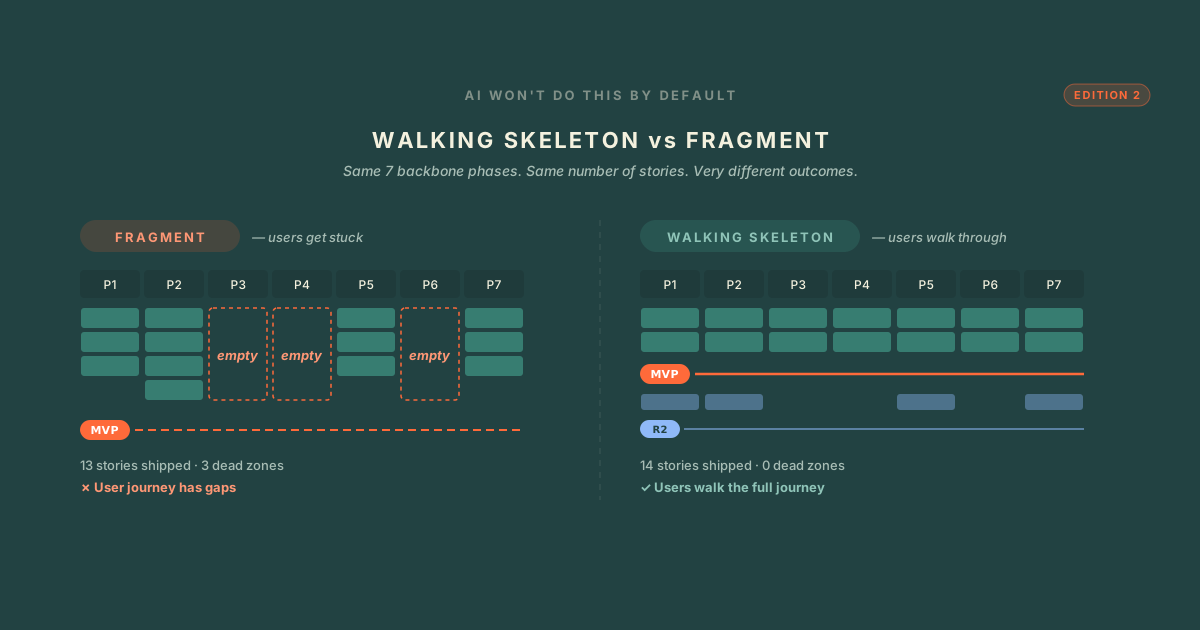
Side-by-side comparison of a Fragment MVP (stories clustered in a few backbone phases, leaving dead zones) versus a Walking Skeleton MVP (at least one story in every backbone phase so the user can walk the full journey)

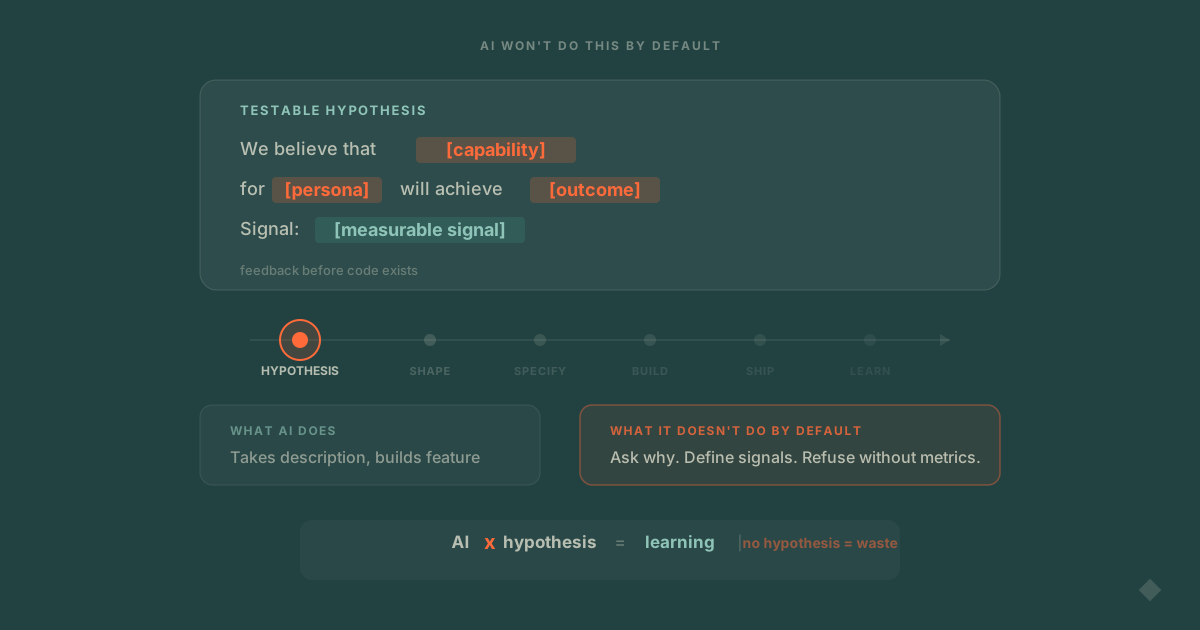
AI Won't Do This by Default: User Story Mapping & Shape

Even a good hypothesis needs a map before it needs code. AI agents build whatever ticket lands in front of them — they can't see the journey the ticket sits inside. User story mapping is the practice that turns a backlog of features into a walking skeleton of the user's journey. It's the second unlock.

By Chirag
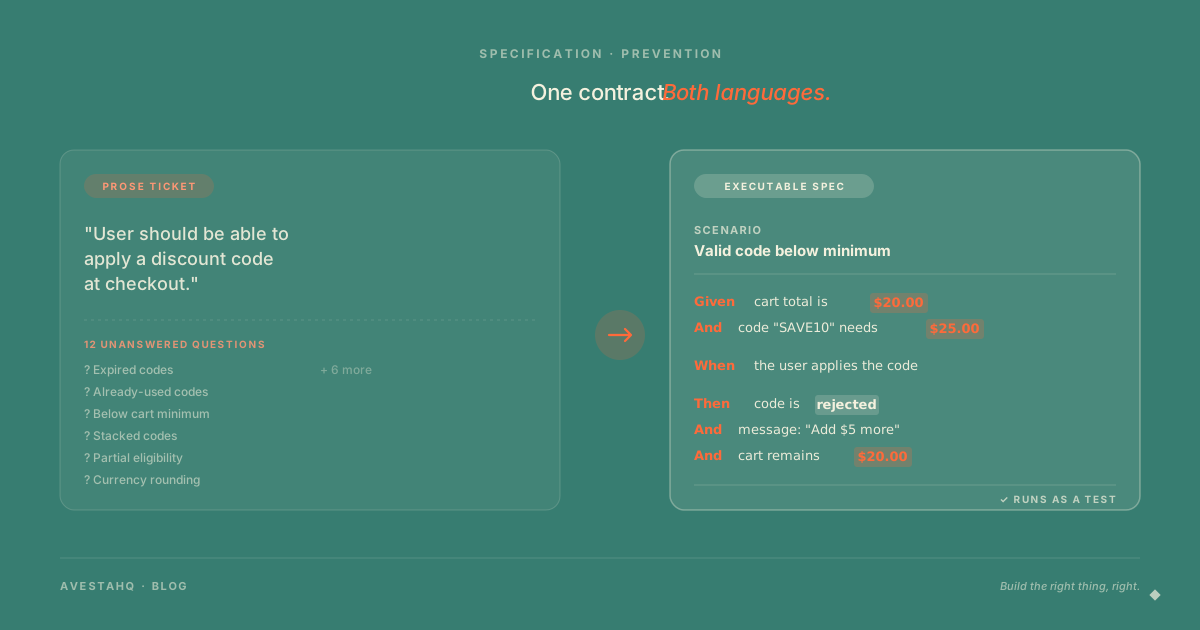
Diagram contrasting prose tickets on the left with executable specifications on the right — the spec becomes the contract that both PMs and engineers reference, and that AI agents can build against directly

Specification-Driven Development: How PMs and Engineers Finally Speak the Same Language

Your PM writes prose. Your engineer translates it to code. QA finds the gaps. Your AI agent just compressed this broken loop from weeks into hours — without fixing any of the misalignment. Specification-driven development is the contract layer both sides can read, write, and execute. And it's the practice that separates teams who get leverage from AI agents from teams who ship the wrong thing, faster.

By Chirag
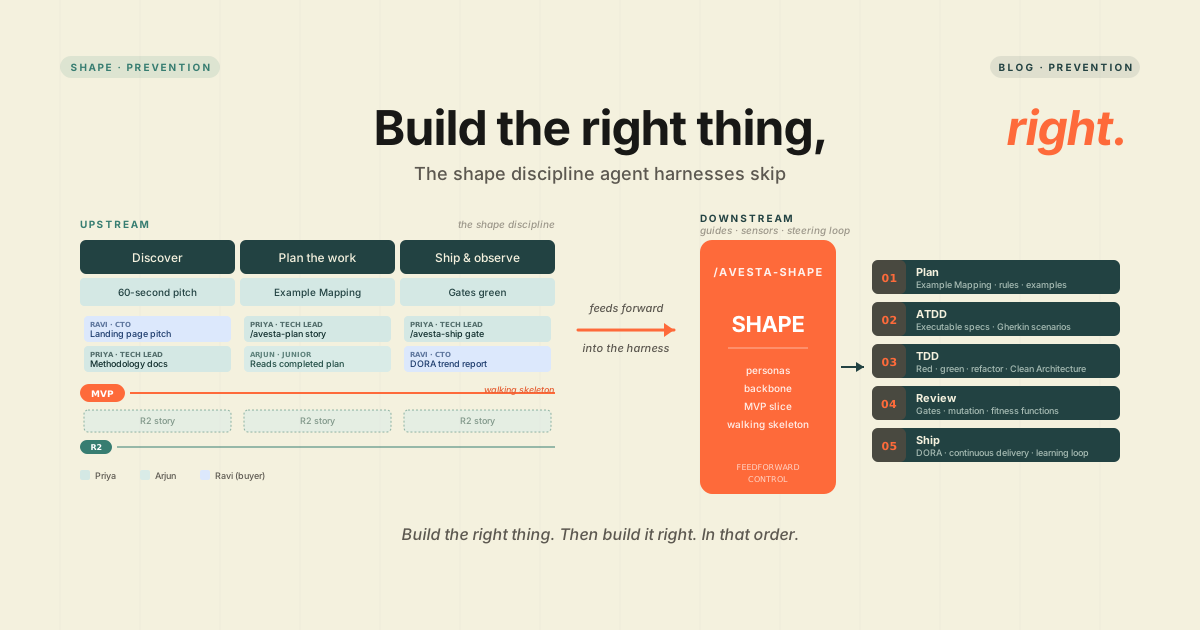
Diagram of the shape phase flowing into Prevention — personas, journey backbone, and walking-skeleton MVP feeding into the build workflow

Build the Right Thing, Right: The Shape Discipline

Harness engineering gives coding agents guides and sensors to make output reliable — the downstream controls that ensure things are built right. Shape is the upstream control that ensures the right thing is being built. Here's what the shape discipline looks like — and why AI teams that skip it ship well-built fragments of the wrong product.

By Chirag